Warmth Without Witness: The Thermal That Leaves Your Silhouette Alone
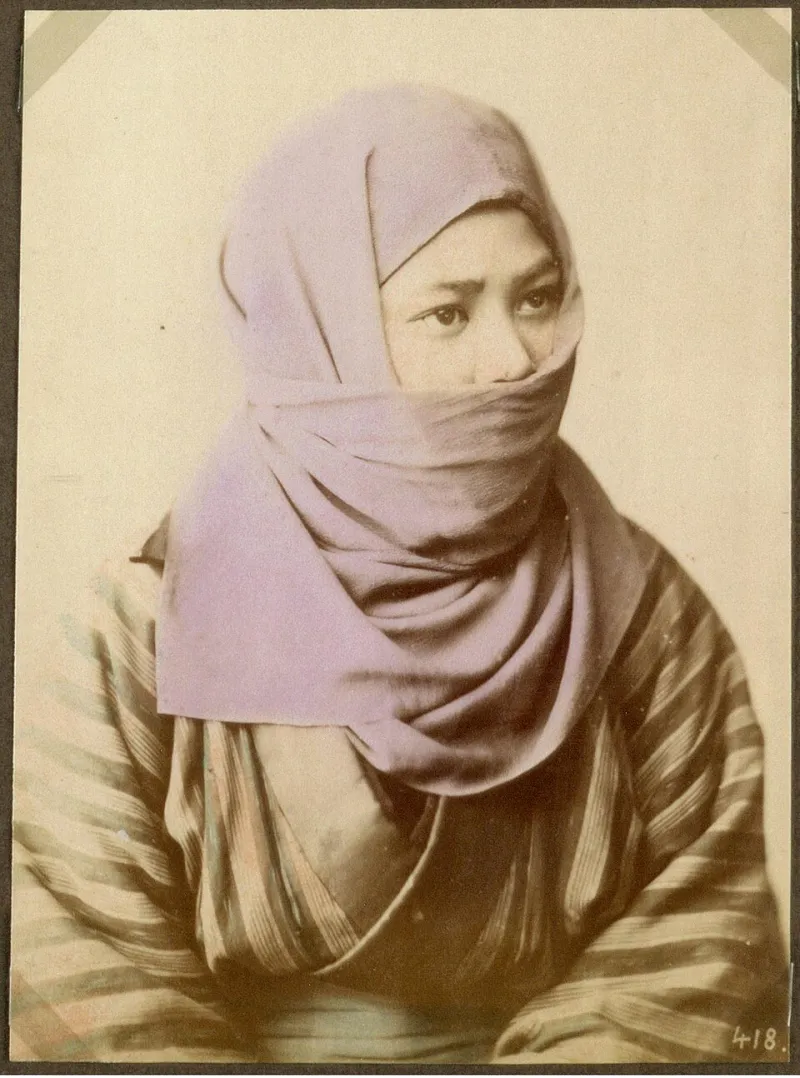
Photo: National Museum of Denmark from Denmark, No restrictions, via Wikimedia Commons
There is a particular kind of British morning in November when the pavement looks dry and the air tells you otherwise. You leave the house in the coat you love, the dress that fits, the knit that took ten minutes to choose — and by the bus stop you are quietly freezing because the whole outfit is a beautiful lie. That is the moment a thermal earns its place. Not as another layer to fuss with, but as the thing that lets you wear the good coat with the thin knit and still stand at the school gate without negotiating with yourself.
The rule, for me, is disappearance. A thermal should be invisible in the mirror and in the line of the outfit. If I can see a ridge at the neck, a bulge at the cuff, or a shine under the arm, it has failed — no matter how warm it is. In 2026 the high street is full of very good base layers, but the difference between the one you wear and the one that stays in the drawer is almost always cut, not fibre.
The neckline is where thermals betray you
Most thermals are cut like a crew-neck T-shirt, which is fine under a jumper and disastrous under a shirt. If you are layering under a collared shirt or an open-necked dress, look for a deep scoop or a V that sits below the collarbone. A high neck under a shirt creates a visible shelf and makes the collar stand away from the neck. If you run cold and want the warmth at the throat, choose a thermal with a fine, flat neckline and add a scarf rather than a second roll of fabric. Under a crew-neck knit, a matching crew thermal is fine, but check that the neckline does not peek above the knit — it should be a quiet understudy, not a second collar.
Sleeves, cuffs and the armhole problem
Sleeve length is the second place a thermal shows itself. A full sleeve under a slim blazer will bunch at the elbow and push the jacket sleeve out of shape. A three-quarter sleeve is often the quiet hero: warm where you need it, invisible under a bracelet or a watch, and easy to push up without dragging the outer layer. If you are wearing a dress with a close-fitting sleeve, a cap-sleeve thermal is the safest choice. Also check the armhole: a thermal that is too tight across the back will create a horizontal line under a fine knit. Raise your arms in the fitting room. If the whole outfit shifts, the thermal is doing too much.
Thin does not always mean warm
The thinnest thermal is not automatically the best one. A very fine microfibre can feel warm and disappear, but it can also go static under a wool coat. Merino is warmer for its weight and breathes better indoors, which matters if you go from a cold platform to a heated office. Silk is lovely under dresses but less forgiving under a close-fitting shirt. The test is not the label; it is how the fabric behaves under the outfit you actually plan to wear. I look for a smooth, matte finish, a flat seam, and a fabric that springs back rather than clinging.
The five-minute fitting-room test
This is the test I use in 2026. Take the thermal into the fitting room with the outfit you intend to wear it under — or the closest thing you own. Put both on. Stand in front of the mirror and check the neckline first: no ridge, no second collar, no gaping shirt. Then raise your arms above your head and lower them. Look at the back and the armhole. Sit down. A thermal that rides up or digs in when you sit will be miserable by lunchtime. Finally, look at the outline in daylight if you can — fitting-room lighting hides a multitude of lumps. If you can see the thermal through the outer layer, size up or choose a smoother finish. Five minutes now saves a winter of tugging.
What I wear with what
Under a fine knit and a wool coat: a scoop-neck merino in a shade close to my skin or the knit. Under a white shirt: a deep V or scoop in cream, with a sleeve that stops before the cuff so the shirt cuff stays clean. Under a slip dress: a cap-sleeve silk or microfibre layer, with a neckline that hides under the dress. Under a blazer: a three-quarter sleeve and a flat neckline, so the jacket does the talking. The thermal is not the outfit. It is the permission slip.
The payoff is not just warmth. It is bravery. You wear the lighter coat, the dress that is not technically winter-weight, the knit that looks better without a bulky layer underneath. The thermal disappears, and the outfit gets to be the thing people see. That is the whole point.