Cold Snap, Neat Hands: The Fourteen-Day Nail Plan I Actually Keep
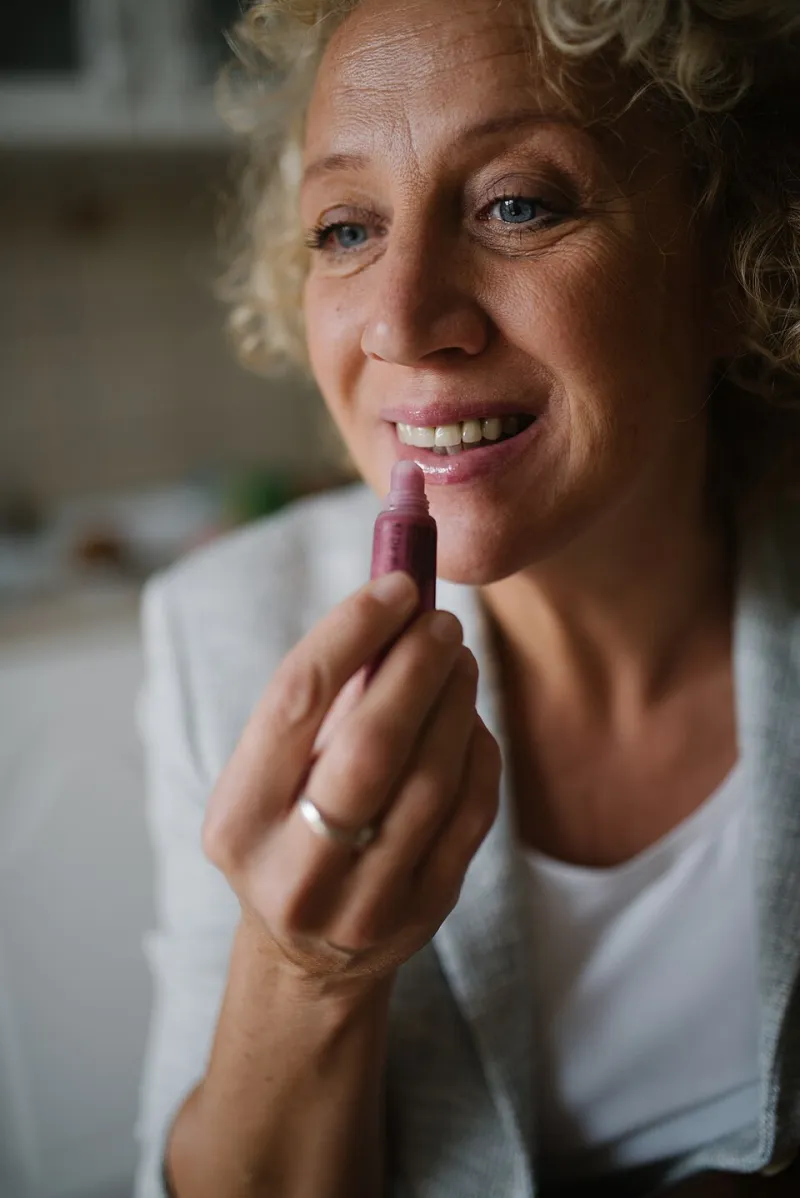
Photo: Shixart1985, CC BY 2.0, via Wikimedia Commons
There is a particular kind of disappointment that comes from looking down at your hands in mid-January and realising the manicure you paid good money for has already begun to retreat. Not in a dramatic, sheet-of-polish-peeling-off way. More of a slow surrender: a chip near the index finger, a dulled surface, a cuticle that has decided to become a small architectural feature. British winter is not kind to nails. Cold air outside, dry heat inside, wool gloves, hot water, tea, typing, zip pulls, car keys, the general business of living — it all adds up.
But neat hands are one of those quiet finishes that make a whole winter outfit feel deliberate. You notice them when they are right. You notice them when they are wrong. And the good news is that you do not need a fortnightly salon appointment or a ten-step ritual to keep them looking good. You need a small routine, a couple of shades that forgive you, and a willingness to stop before the polish gets too thick.
Start with the shape, not the shade
The most useful thing I did for my winter nails was stop treating shape as an afterthought. A tidy oval or soft square gives even a slightly grown-out manicure a bit of polish. Ragged corners, on the other hand, make the whole hand look tired, no matter how good the colour is.
I file little and often rather than saving it all up for one big session. Two minutes while the kettle boils, a quick pass over each nail in one direction — not a sawing motion, which only encourages splitting. If your nails are prone to peeling in the cold, keep them on the shorter side. A shorter nail wears better in winter, catches less on gloves and scarves, and looks intentional rather than neglected.
The base coat is the whole argument
If I only had time for one step, it would be this one. A proper base coat does two jobs: it grips the colour so it lasts longer, and it gives the nail a smoother surface so two thin coats look like three. On cold, dry hands, it also creates a buffer that stops strong pigment from staining.
I use a ridge-filling base coat on days when my nails look a bit uneven and a plain strengthening one when they feel brittle. The trick is to let it dry properly. Not almost dry. Properly. This is where most home manicures fall apart: we rush the layers, then wonder why the whole thing lifts three days later.
Two thin coats, then stop
Thin coats are the difference between a manicure that lasts and one that looks like a small accident waiting to happen. A thick coat feels efficient in the moment, but it dries unevenly, stays tacky underneath and chips from the edges. Two thin layers, with a minute or two between them, give a much better result than one generous swipe.
And when I say stop, I mean stop. Three coats rarely look better than two. They just add bulk. If the colour is still patchy after two, the problem is usually the base coat or the light, not the amount of polish.
The top coat you reapply like lip balm
A quick-dry top coat on day one is non-negotiable. But the real secret is a second pass on day three or four. Not a full manicure — just one thin layer over the whole nail, paying attention to the tip. It takes about ninety seconds and makes the colour look freshly done again. It also seals the edge before it has a chance to lift.
In winter I keep a bottle by the sofa. It sounds absurd until you try it. A small top coat and a cuticle oil pen in the same little dish as the remote means I actually use them. The cuticle oil matters more than people think. Central heating and endless hand-washing leave cuticles dry and rough, which makes even a good manicure look untidy. A drop of oil on each nail after my morning tea and again before bed is enough. No massage ritual required.
Shades that forgive a fortnight
This is not the season for a stark, high-maintenance red that shows every tiny lift at the cuticle. If you want your colour to last two weeks without looking scruffy, choose shades that blur the edges.
Sheer nudes with a hint of warmth are the easiest. A soft milky pink, a beige with a whisper of peach, a low-key greige — these wear away gracefully. A little regrowth is barely visible. A micro-chip does not announce itself. Deeper shades can work beautifully in winter, but they need a very neat cuticle line and a clean-up brush. If you are doing your own nails at the kitchen table, a mid-tone or a slightly sheer berry is much more forgiving than a dark oxblood.
Texture is your friend too. A pearl finish or a very fine shimmer hides surface scratches and small flaws far better than a flat cream. It also catches the low winter light in a way that makes hands look polished without looking fussy.
The small kit that earns its place
You do not need a drawer full of equipment. My winter nail kit is genuinely small: a glass file, a cuticle oil pen, a ridge-filling base coat, two forgiving shades, a quick-dry top coat and a clean-up brush. That is it. The clean-up brush is the unsung hero. A quick swipe around the cuticle with a little remover after the top coat has dried makes a home manicure look much more professional.
I also keep a pair of thin cotton gloves by the bed in the coldest weeks. Hand cream, cotton gloves, ten minutes of not doing anything. It sounds old-fashioned and it works.
Why it belongs with the outfit
We talk a lot about the coat, the boot, the scarf. But hands are part of the picture. They are what you see when you hold a cup, pull on a glove, reach for a rail, hand over a card. A neat, low-key manicure is the quiet full stop at the end of a winter outfit. It does not need to be loud. It just needs to look as though you thought about it.
And that is the real point of the two-week manicure. Not perfection. Not a salon-fresh finish that no one actually maintains in real life. Just hands that look considered, comfortable and like you. Even in February. Especially in February.