The Kitchen-Table Jumper MOT: Five Minutes That Make a Winter Knit Look New
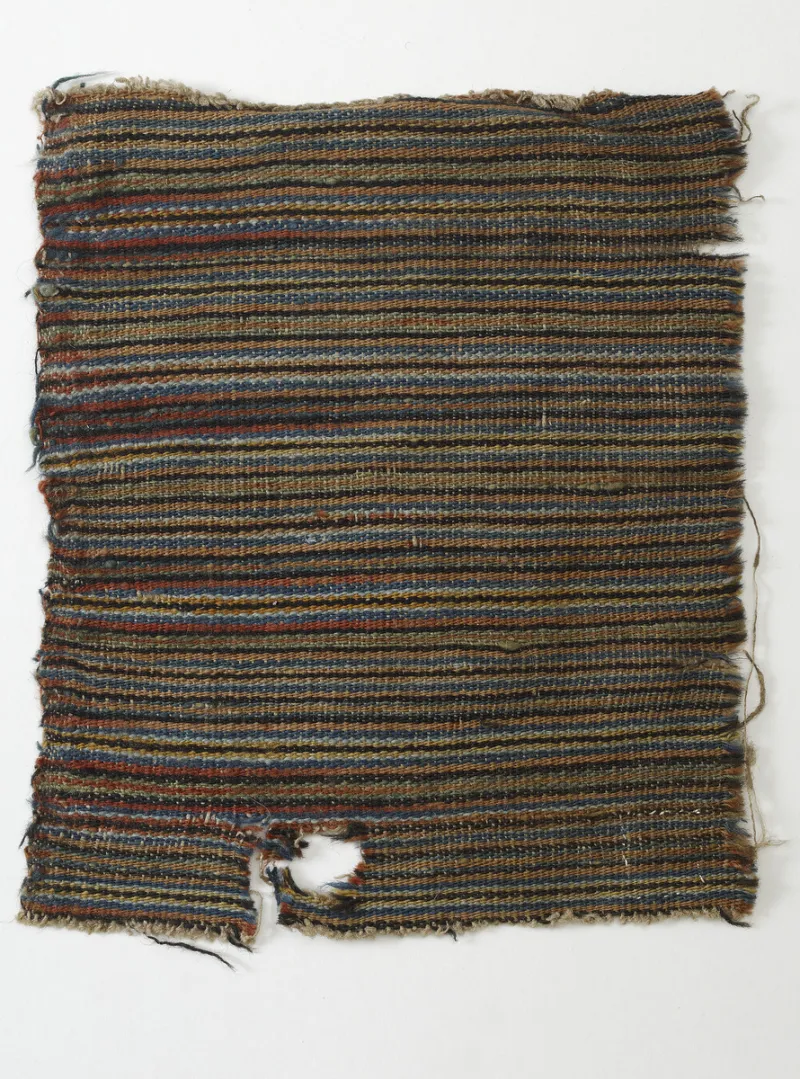
Photo: National Museum of Finland, CC BY 4.0, via Wikimedia Commons
By the time the heating goes on and the same jumper has been worn to the office, the pub and the Sunday supermarket run, it can start to look less like a favourite and more like a chore. The cuffs go fuzzy. The underarms bobble. The front, which looked so crisp in October, takes on a slightly tired halo. It is tempting to blame the jumper and start browsing for a replacement. I would like to make a quiet case for the kitchen table instead.
Why Your Jumper Goes Fuzzy — and Why It Isn't a Character Flaw
Pilling is friction, not failure. Short fibres work loose from the yarn and twist themselves into little knots, usually where you move most: under the arms, along the cuffs, where a bag strap sits, across the front if you wear a crossbody. A cashmere jumper can bobble. A £30 high-street knit can bobble. A charity-shop find can bobble. It is not a personality flaw, and it is not a reason to write the jumper off.
The real issue is how quickly a fuzzy surface changes the way a piece reads. A jumper that has gone bobbly at the sleeves can make an otherwise simple outfit look scruffy, even if the knit itself is perfectly sound. Fix the surface and you change the whole impression. That is why I think of this as a style routine rather than housework. It is the smallest possible maintenance habit with one of the biggest returns.
The Small Kit That Lives in a Drawer
You do not need a dedicated cupboard. A small electric fabric shaver — rechargeable, with a guard and a little chamber for the fluff — is the workhorse. A knit comb or cashmere comb is useful for finer gauge jumpers and for lifting surface fuzz without buzzing away at the fibres. Add a lint roller, a pair of small sharp scissors, a mesh laundry bag, a bottle of wool wash and a flat drying rack. That is the whole kit.
I would avoid reaching for a razor, however tempting the internet makes it look. A proper shaver is designed to catch the bobbles and leave the knit alone. A razor can catch a loose thread and turn a five-minute fix into a repair job. If you are buying one thing, buy the shaver. If you already own a knit comb, start there and see how much you can lift before you go electric.
The Five-Minute Kitchen-Table Method
Good light matters more than any product. Lay the jumper flat on the kitchen table, empty the pockets if it has them, and look at it properly. Then set a timer. Five minutes is not a metaphor; it is enough to do the front, the cuffs and the underarms, which is where most of the visible damage lives.
Start with the comb. Work in one direction, in short gentle strokes, rather than sawing back and forth. If the knit is fine, be especially light. Then move to the fabric shaver. Lay the jumper over a folded towel so it has a little tension, press the shaver flat and use short, light passes. Do not press hard. Do not linger on one spot. Empty the chamber as you go, because a full chamber stops working properly and you end up going over the same area again and again.
Skip the ribs, the seams and any loose threads. For a long snag, use the small scissors to trim it carefully, or push it back through to the wrong side with a needle rather than pulling it. Finish with a lint roller over the whole piece, then fold it. That is it. The jumper will not look brand new in a showroom sense, but it will look cared for — and cared for is what reads as considered.
Wash Less, Dry Flat, Fold Better
Most jumpers do not need washing after every wear. Air them between outings, spot-clean small marks and save the full wash for when it is genuinely needed. When you do wash, turn the jumper inside out, put it in a mesh bag, use a wool or delicate cycle at 30 degrees and skip the fabric softener. Softener coats the fibres and makes some knits feel limp; it does not do them any favours.
Dry flat, away from the radiator. This is the one bit of maintenance I see people get wrong most often in winter. A radiator in the hall feels efficient, but it can distort the shape and make the fibres feel dry and brittle. A flat drying rack in a well-ventilated room is slower and better. Store jumpers folded rather than hung, because hangers stretch the shoulders, and give favourites a rest day between wears so the fibres have time to recover.
The Anti-Replacement Move
There is a quiet confidence in wearing something you have looked after. You stop tugging at the cuffs. You stop hiding the jumper under a coat. You wear it with the good trousers, to the nice dinner, on an ordinary Tuesday. The point is not perfection. The point is that the jumper looks deliberate rather than neglected.
And yes, there is a practical upside. A cheap knit that has been de-bobbled can look far more expensive than it was. A good knit that is looked after can last years rather than seasons. In a winter where everything feels expensive, five minutes at the kitchen table is a small act of resistance against the replacement reflex. It is also, frankly, a nice little ritual: a cup of tea, good light, a jumper that gets to stay in the rotation.
If you do one thing this week, do the cuffs and underarms of the jumper you reach for most. You will notice the difference the next time you catch yourself in the mirror — and you may find you have stopped shopping for a replacement altogether.