A Little of Each: The Mixed-Metal Habit That Makes Winter Dressing Feel Personal
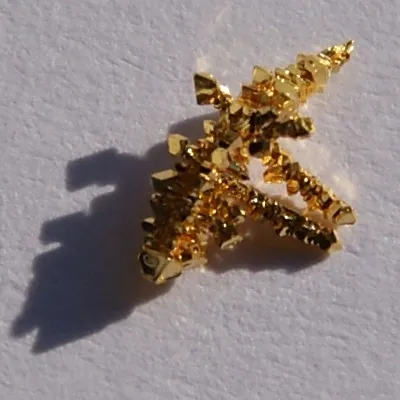
Photo: Hi-Res Images of Chemical Elements, CC BY 3.0, via Wikimedia Commons
I had a jewellery-box rule for years: silver in the left compartment, gold in the right, and never the two shall meet. It felt sensible, like matching your belt to your shoes. Then a friend turned up at a pub in November wearing a thin silver hoop and a chunky gold signet on the same hand, and I noticed the jewellery before I noticed her coat. Something about it read as this is simply what I wear rather than I have styled myself today. That is the whole appeal of mixed metals: it is the quickest shortcut I know to looking collected rather than coordinated.
The rule, and why it stopped working for me
The logic behind it isn't nonsense. Warm undertones, cool undertones, knowing whether you suit gold or silver — it's useful if you're starting from scratch or buying one good thing you'll wear for a decade. But it is a small rule, and small rules make small outfits. When every piece of metal on you matches, the eye has nowhere to land. It looks polished, yes, but also a bit set, like a shop display.
A single discordant note gives the eye somewhere to go. It also suggests a history: a gift from one person, a find from another, something you picked up on a rainy afternoon and never took off. The women whose style I admire most tend to have jewellery that looks accumulated rather than bought in one go. Mixing metals is the fastest way to fake that — or, more honestly, to let it happen.
What it does for a winter outfit
Winter clothes are heavy and uniform. Navy crewneck, grey coat, black trousers, repeat until March. A plain knit accessorised entirely in gold can tip towards evening; entirely in silver can read a little cool, a little office. Wearing both warms and cools the same outfit at once, which means it works at 9am and again at 7pm without adjustment.
There is also the light to consider. From now until about February, most of us are dressing in the dark and coming home in it, and the daylight we do get is thin and grey. Two metals catch that light differently — one bright and one warm — so you get more visible sparkle for the same amount of jewellery. On a dreich Tuesday in Leeds or a damp one in Bristol, that is not a trivial thing.
Three pairings I actually wear
A small silver hoop with a gold signet. The hoop does the everyday work; the signet adds weight and a bit of authority. Keep the hoop between 15 and 20mm and the signet flat rather than domed, or it will catch on the sleeve of every knit you own. I wear this with a navy crewneck and a wool coat and nothing else, and it has never once felt underdone.
A mixed-metal watch with a knit cuff. A two-tone watch is the polite version of this look, but a gold watch with a silver buckle does the same job. The cuff is the frame — push your sleeve up a couple of inches rather than rolling it, so the watch sits half-hidden. A fine merino knit from Uniqlo or a John Lewis cashmere blend is ideal, because the ribbing gives the metal something to sit against.
Layered chains over a plain crewneck. One fine silver chain and one slightly heavier gold chain, at two different lengths so they don't tangle. No pendant necessary; the neckline is doing the styling. This is the pairing I reach for with a grey marl sweatshirt, which is the most forgiving backdrop in the wardrobe and the one most likely to be clean on a Monday.
The 70/30 rule, for anyone who wants a system
If you like a framework rather than a free-for-all, try this. Choose a dominant metal — usually the one nearest your face, because that is what people actually see — and let it take roughly 70% of the visible metal in the outfit. The remaining 30% is the accent. Then repeat the accent once, and only once, somewhere else: a ring, a watch detail, the hardware on your bag, a belt buckle.
Two accents is usually where it tips from deliberate to busy. Three metals — gold, silver and rose gold, say — is fine if two live in the same tone family, but otherwise pick two and leave it. And do glance at your coat buttons. If they are gold-toned, let gold be the accent on the days you wear silver near your face. It is not a law, it is just a way of making the outfit look as though someone decided on it on purpose.
A note on buying
You almost certainly don't need to buy anything. Most of us already own both metals; we have simply been keeping them in separate compartments. The first step is to stop segregating the drawer. Put the silver hoops next to the gold signet and see what happens.
If you are adding something, though, buy the accent rather than another anchor: a small silver ring to go with the gold chain you never take off, a gold huggie to wear alongside your silver watch. On the high street, Astrid & Miyu is good for huggies and fine chains, Missoma for layering pieces, Monica Vinader for engravable signets, and Oliver Bonas for inexpensive accents you won't mourn. Charity shops and vintage fairs are excellent for single earrings that can be repurposed as rings. Check for sterling silver (925) and solid gold or good gold vermeil if you want the piece to survive winter hand-washing and the friction of a scarf.
The point of it
Matching is safe. Mixing is a signature. The old rule wasn't wrong — it was just too small for the way I actually get dressed, which is in a hurry, in the dark, reaching for the same three things on the way out of the door. These days those three things don't match, and somehow the outfit looks more like me for it. That is the whole trick: not breaking a rule for the sake of it, but letting the jewellery look lived-in. A little of each. Both, please.